
Sensory Play: Why It Matters for Young Children
Learn how sensory play supports brain development, motor skills, emotional growth, and creativity. Discover educational sensory toys that help young children learn through play with TeddyMinds.

rom the moment babies are born, they begin exploring the world through their senses. Every texture they touch, every sound they hear, every color they see, and every movement they make helps build important connections in their growing brains.
Sensory play is much more than fun—it is one of the most effective ways to support healthy child development. Through simple, hands-on activities, children strengthen their cognitive abilities, improve motor skills, develop emotional regulation, and build the confidence to explore their environment.
At TeddyMinds, we believe that the best learning happens through play. That's why we carefully select sensory toys that encourage curiosity, creativity, and meaningful learning experiences for children of all ages.
What Is Sensory Play?
Sensory play is any activity that stimulates one or more of a child's senses:
- Touch
- Sight
- Hearing
- Smell
- Taste (when age-appropriate and safe)
- Movement and balance (vestibular sense)
- Body awareness (proprioception)
Children naturally learn by exploring different textures, temperatures, sounds, movements, and materials. Every sensory experience helps strengthen the brain's ability to process information and respond to the world.
How Sensory Play Supports Brain Development
During early childhood, a child's brain develops at an incredible rate. Every new experience creates and strengthens neural connections that support future learning.
Sensory activities encourage children to:
- Explore through observation
- Solve simple problems
- Recognize patterns
- Build memory
- Improve concentration
- Strengthen critical thinking
The more opportunities children have to engage their senses, the stronger these brain connections become.
Improving Fine and Gross Motor Skills
Many sensory activities naturally involve movement.
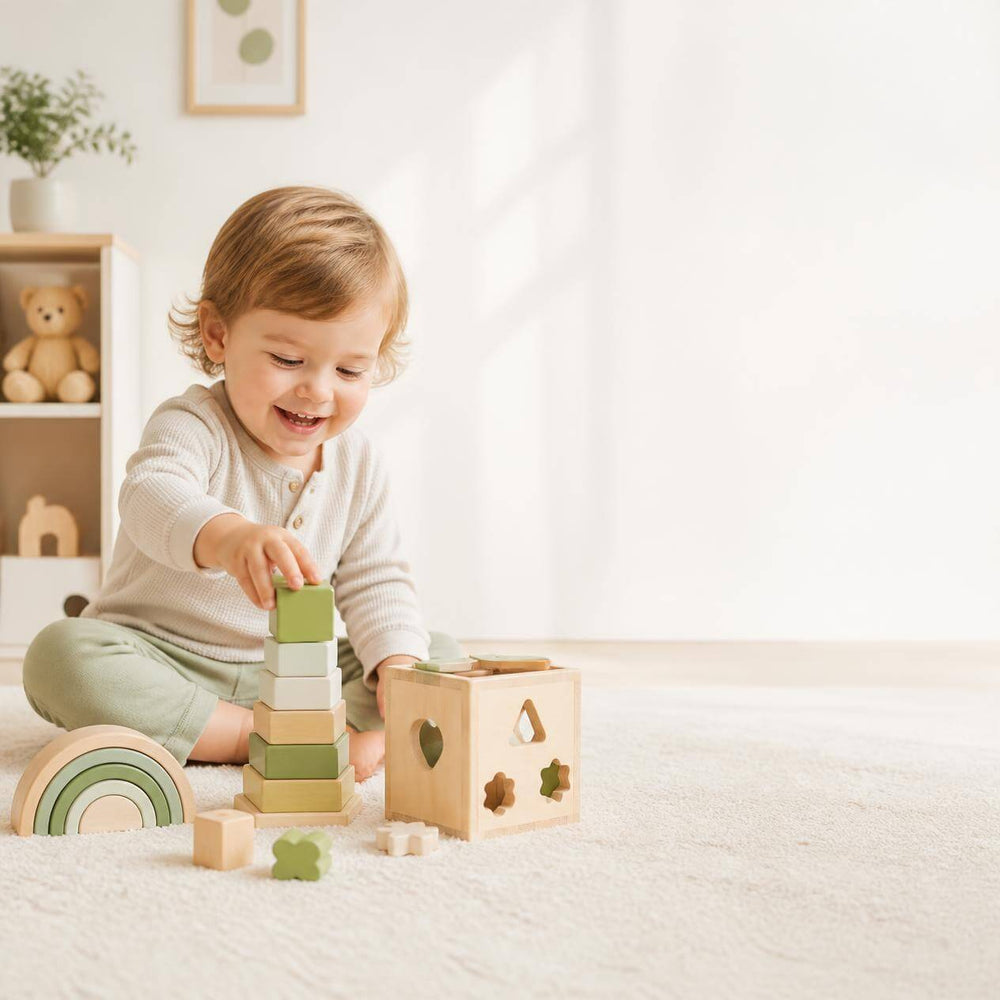
Picking up small objects, squeezing play dough, stacking blocks, pouring water, or threading beads all strengthen fine motor skills that children will later use for writing, drawing, buttoning clothes, and other everyday tasks.
Larger sensory activities—such as balancing, climbing, crawling, jumping, or pushing toys—develop gross motor skills, coordination, balance, and overall physical confidence.
These essential skills grow naturally through playful exploration.
Supporting Emotional Development
Sensory play isn't only good for the brain—it also supports emotional wellbeing.
Many sensory toys provide calming experiences that help children relax and regulate their emotions.
Activities like:
- Playing with sensory sand
- Squishing soft dough
- Running fingers through water beads
- Exploring textured fabrics
- Building with wooden blocks
can help children reduce stress, improve focus, and feel more secure.
Children also learn patience, resilience, and confidence as they experiment, make mistakes, and try again.
Encouraging Creativity and Imagination
Unlike many electronic toys, sensory toys rarely have a single "correct" way to play.
A handful of wooden blocks can become:
- A castle
- A bridge
- A zoo
- A rocket
- A city
This open-ended play encourages imagination, storytelling, and creative thinking.
Children become active creators instead of passive observers.
Building Language and Communication Skills
Sensory play often creates wonderful opportunities for conversation.
Parents can ask questions like:
- What does this feel like?
- Which color is your favorite?
- Can you find the smooth block?
- What happens if we mix these together?
- How does this smell?
These simple conversations help children:
- Expand vocabulary
- Improve listening skills
- Express ideas
- Build confidence when speaking
Learning becomes a shared experience between parent and child.
The Best Sensory Toys for Young Children
Choosing quality sensory toys doesn't have to be complicated.
Some excellent options include:
- Wooden stacking toys
- Sensory balls
- Texture puzzles
- Shape sorters
- Building blocks
- Busy boards
- Water play toys
- Play dough sets
- Sensory bins
- Montessori-inspired learning toys
The best toys encourage exploration without overwhelming children with lights, sounds, or too many distractions.
Simple Sensory Activities at Home
You don't need expensive equipment to create meaningful sensory experiences.
Try these easy activities:
Nature Exploration
Collect leaves, stones, flowers, and sticks during a walk. Let children compare textures, shapes, and colors.
Water Play
Provide cups, spoons, funnels, and floating toys for endless exploration.
Rice or Pasta Sensory Bin
Fill a container with dry rice or pasta and hide small toys inside for children to discover.
Building Challenges
Use wooden blocks to build towers, bridges, or simple structures together.
Finger Painting
Encourage children to experiment with colors and textures while expressing their creativity.
These simple activities help children learn through everyday experiences.
Choosing the Right Sensory Toys
When selecting sensory toys, look for products that are:
- Safe and age-appropriate
- Durable and high quality
- Open-ended
- Designed to encourage creativity
- Easy for children to explore independently
Natural materials such as wood and soft silicone often provide richer sensory experiences than overly electronic toys.
Why Parents Choose TeddyMinds
At TeddyMinds, we carefully select educational and sensory toys that inspire children to explore, discover, and grow through play.
From Montessori-inspired toys and sensory activities to puzzles, stacking toys, and creative learning games, every product is chosen to support healthy child development while making playtime meaningful and enjoyable.
Our goal is simple: to help children build confidence, creativity, and essential life skills—one playful moment at a time.
Final Thoughts
Sensory play is one of the most valuable experiences you can offer a young child. Every touch, sound, movement, and discovery helps build stronger brains, healthier emotional development, better motor skills, and greater confidence.
The best part is that learning doesn't have to feel like learning. Through simple sensory activities and thoughtfully chosen educational toys, children naturally develop the skills they'll use for years to come.
Explore the TeddyMinds collection and discover sensory toys that encourage curiosity, creativity, and joyful learning every day.
